
-

In a 2020 survey evaluating the perception of alfalfa production in the Southern United States, many producers easily recognized the value of legumes for improving forage quality and seasonal yield potential. Interestingly, only 10% of the respondents expressed an interest in the inclusion of alfalfa to reduce Nitrogen (N) fertilizer inputs in their operation (Silva…
Posted in: Uncategorized -
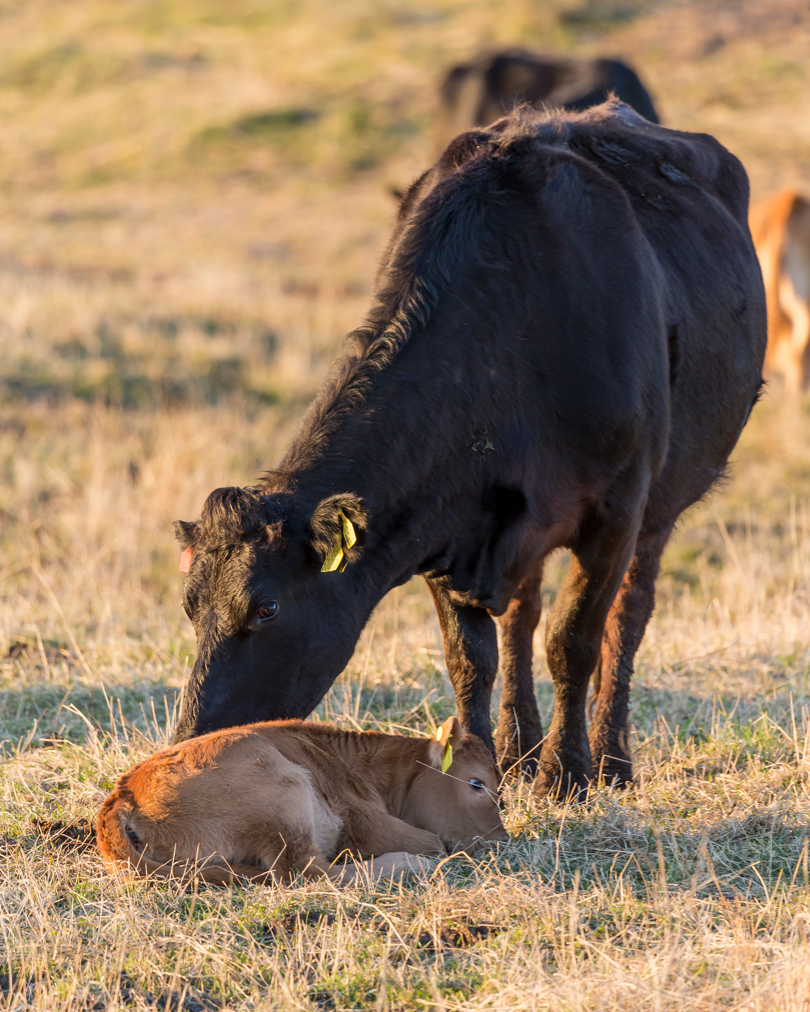
Dr. Brad Heins Diarrhea and other digestive diseases are some of the most common causes of death loss and morbidity in beef and dairy herds in the United States. With a variety of viruses, bacteria, and parasites capable of causing disease, it is difficult to accurately identify the organism responsible for the disease, even if…
-
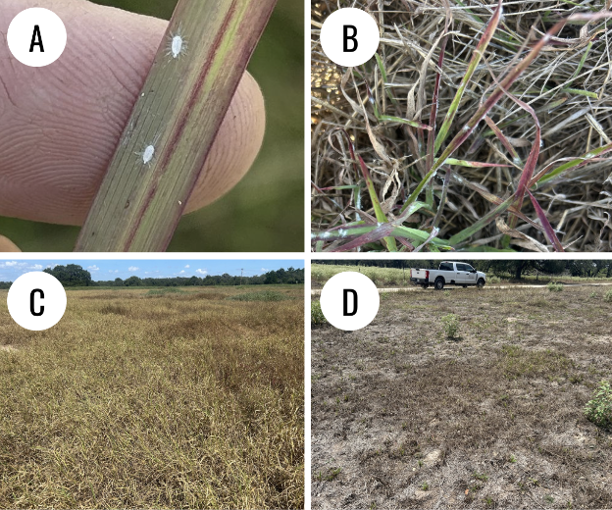
The pasture mealybug (Heliococcus summervillei; Figure 1) was first officially reported in Texas in 2025. The adults are less than 1/4 inch long, white, and oval. They are covered in a waxy coating and will have fine hairs across their body. They primarily impact annual and perennial warm-season grass species. The damage consists of yellowing,…
-
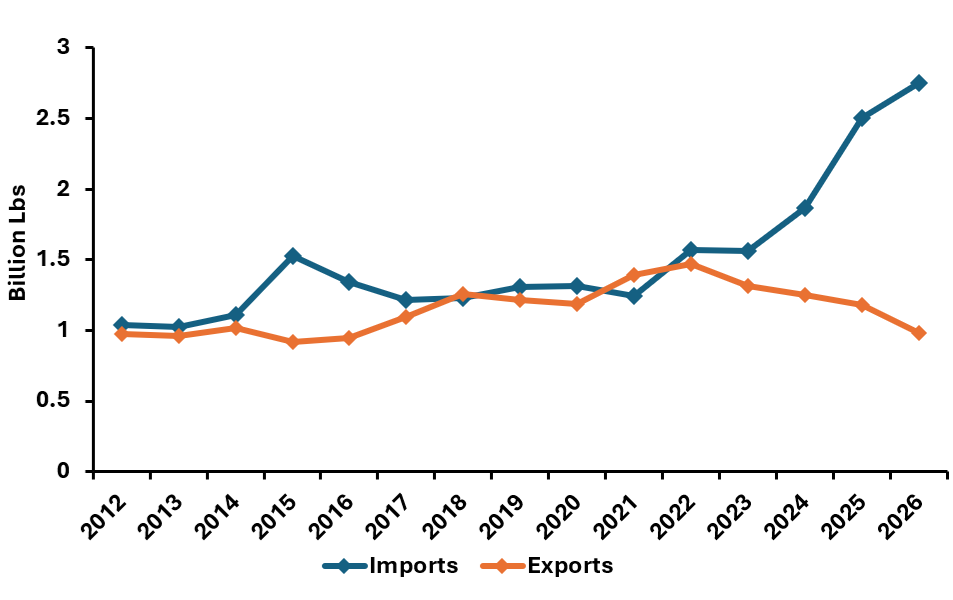
Source: USDA-ERS Beef trade is an important factor when analyzing beef and cattle markets. Changes in imports and exports are the net result of shifts in supply and demand in the U.S. and overseas. Trade also reflects potential opportunities and challenges facing the beef cattle industry. Beef imports and exports have diverged over the past…
Posted in: Beef Cattle Market -
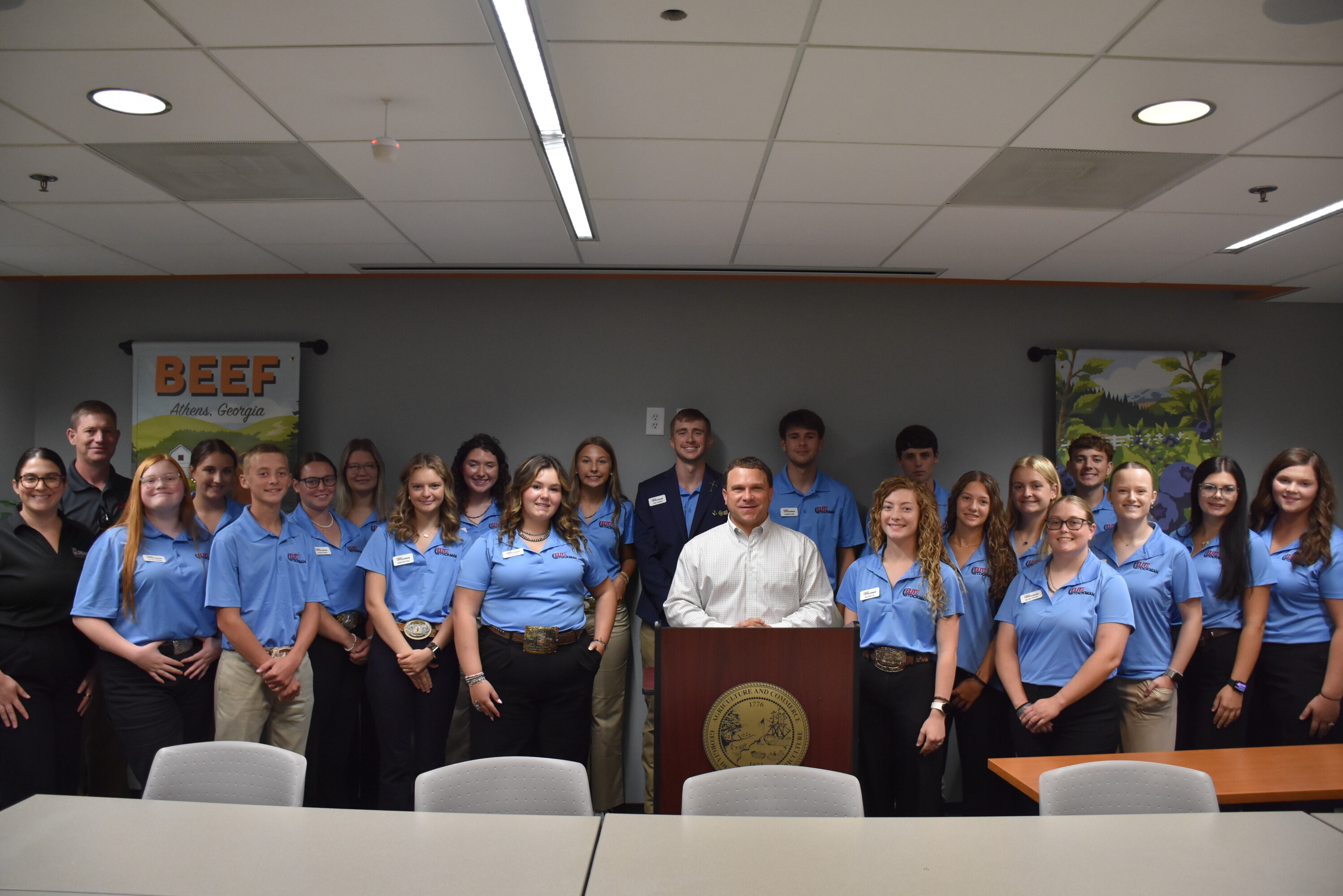
The strength of the beef industry has always been built on the dedication of its producers, industry members, and supporters. As production demands evolve the landscape of agricultural production continues to change, equipping the next generation of passionate, knowledgeable, and confident advocates is as important as ever. The Georgia Elite Stockman Program creates a unique…
-
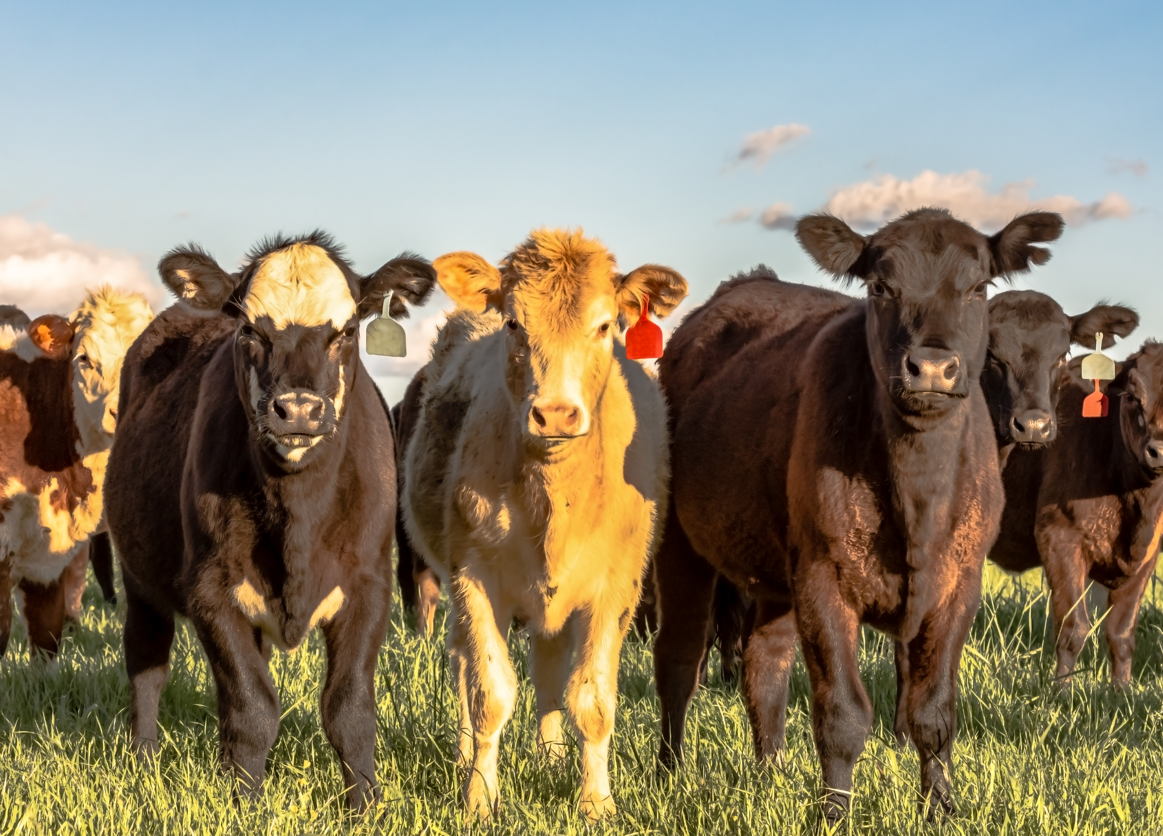
With feeder cattle prices at historically high levels, many Georgia producers are asking the same question this summer: should calves be sold at weaning, or retained for another 30 to 90 days? There is no universal answer. The right decision depends on forage availability, expected cattle performance, production costs, labor, market outlook, and the production…
-
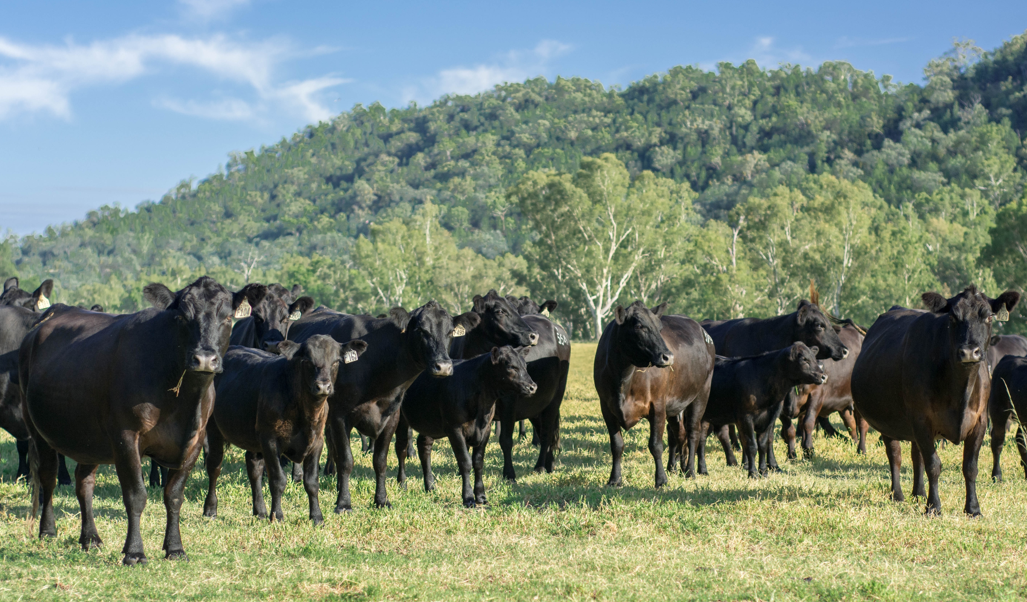
Pregnancy diagnosis is a routine component of reproductive management in many beef operations, but its value extends beyond simply determining whether a cow is pregnant. When used strategically, it allows producers to make timely decisions that directly influence herd productivity and cost of production. For spring-calving herds in Georgia, pregnancy diagnosis is just around the…
-
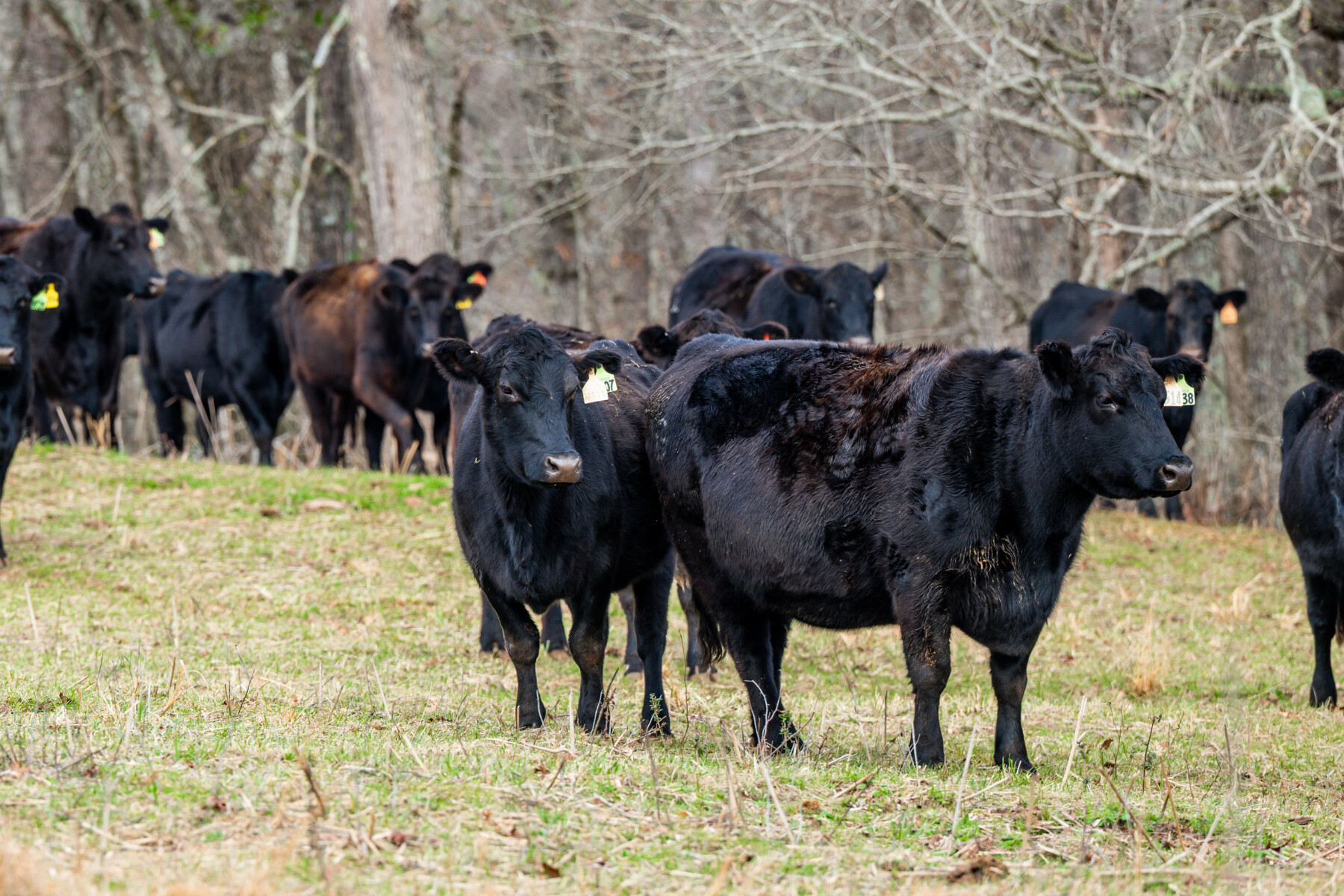
Embryo transfer (ET) is an increasingly important tool for improving production efficiency and accelerating genetic progress in beef cattle. As with any technology, the success of ET is influenced by several factors. One may argue that pregnancy outcomes following ET should be greater than those obtained with insemination, considering that ET bypasses several critical steps…
-
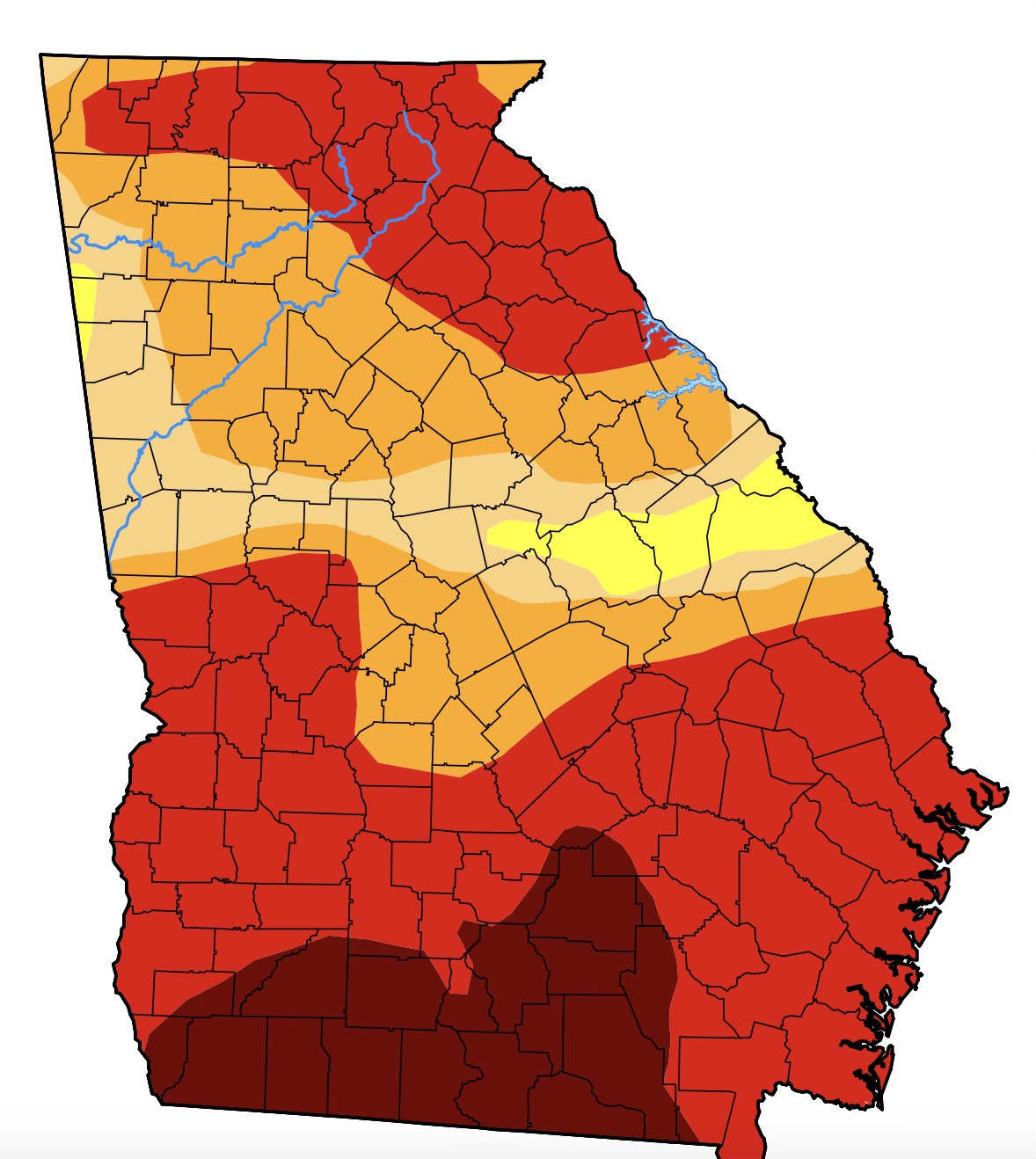
While we are appreciative of the recent rains, this drought is far from over. Here is a summary of the best resources we have available right now for managing forages during a drought. For more information, please visit the UGA Beef Drought Hub or contact your local County Extension Agent. Hot Off The Press! Forage:…
-
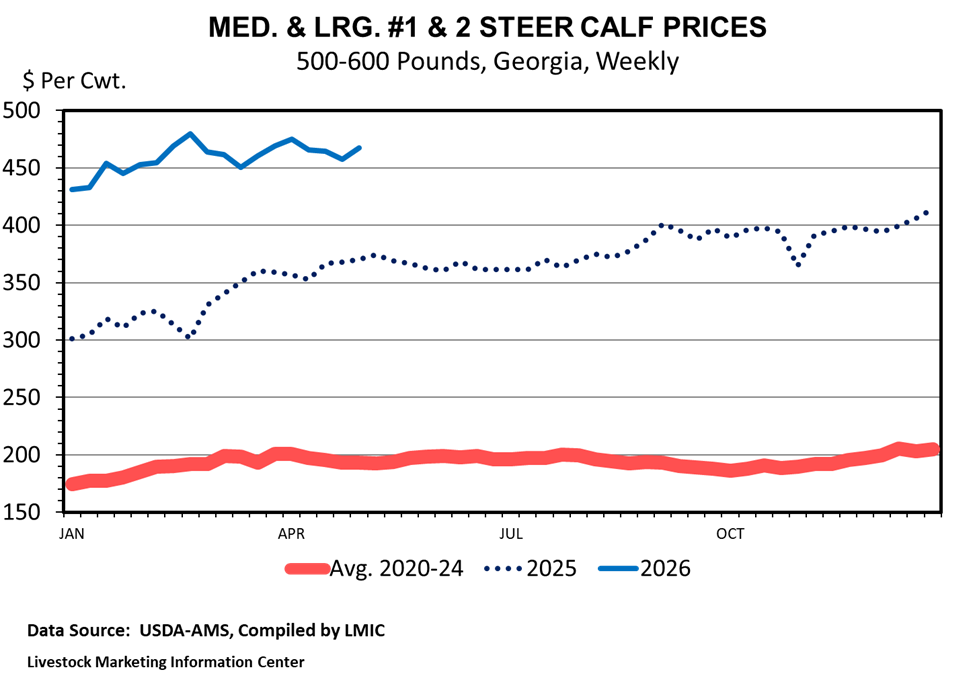
Cattle markets in Georgia remain at historically high levels. Both underlying market fundamentals – supply and demand – are contributing to the record-high cattle prices. Policy uncertainty affecting the supply side appears to be contributing most significantly to price volatility in the short run. However, the underlying supply factors are unlikely to change in the…
Posted in: Beef Cattle Market